
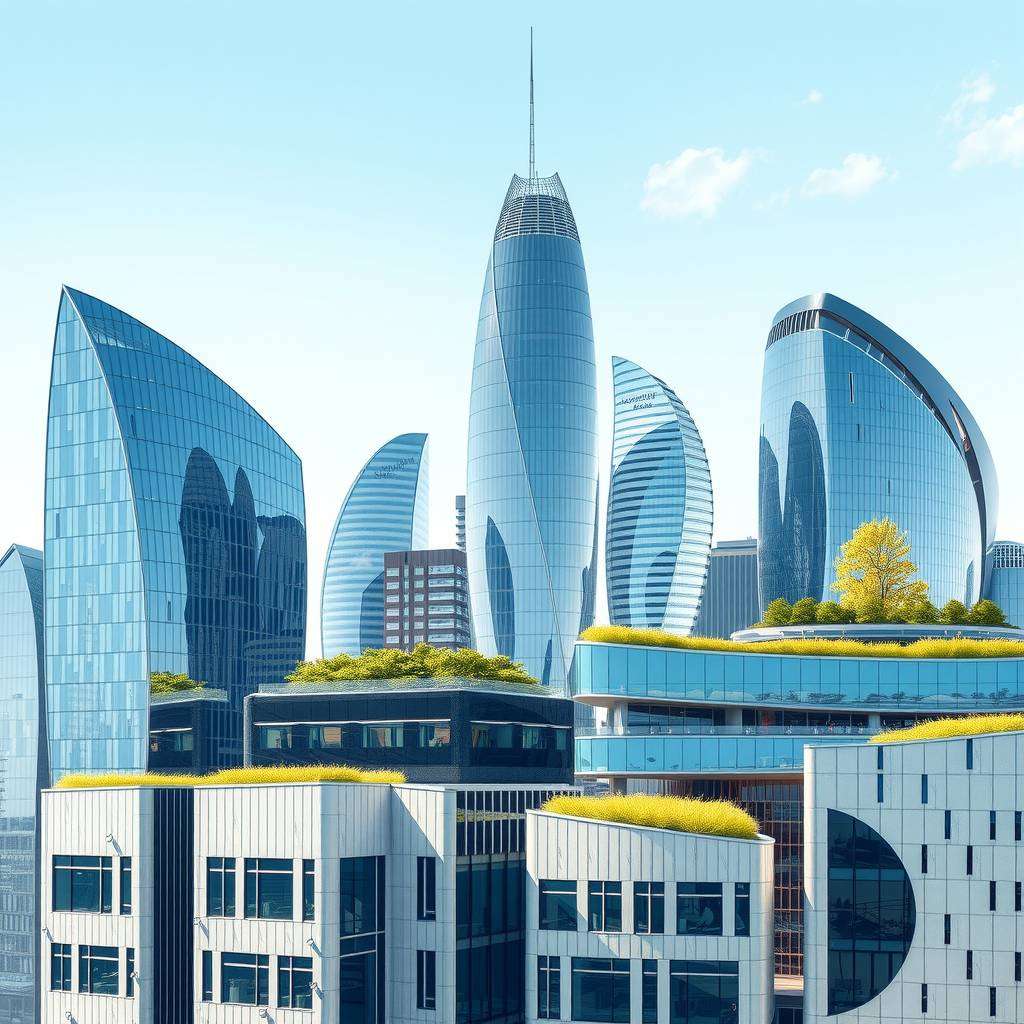
In recent years, the architectural landscape has undergone a transformative revolution, primarily driven by advancements in materials and technology. Among these innovations, architectural glazing products have emerged as a critical element in modern building design. From enhancing aesthetic appeal to improving energy efficiency, these products are becoming indispensable in contemporary architecture. As an architectural glazing company, understanding the current trends and future innovations in glazing is essential for staying ahead in this competitive market.
Moreover, the emphasis on sustainability and environmental responsibility is shaping the direction of architectural glazing. With increasing global awareness regarding climate change and energy consumption, it is vital to adopt glazing solutions that not only look good but also contribute to a building’s overall sustainability. This post will delve into the future of architectural glazing products by exploring the key trends and innovations shaping their design and application.
FAQ – Architectural Glazing Products
What are architectural glazing products?
Architectural glazing products refer to a range of glass solutions used in buildings and structures for aesthetic, functional, and energy-efficient purposes. These can include windows, curtain walls, doors, skylights, and various types of specialty glass.
What are the benefits of using architectural glazing products?
Architectural glazing products offer several advantages including:
- Natural Light: They allow ample daylight into spaces.
- Energy Efficiency: Modern advancements in glazing technology can improve insulation, reducing heating and cooling costs.
- Aesthetics: Enhancing the visual appeal of buildings through innovative designs.
- Noise Reduction: Some glazings provide sound insulation.
- Safety and Security: Impact-resistant glass options contribute to building safety.
How do I choose the right architectural glazing product for my project?
Selecting the right architectural glazing product depends on factors such as:
- Building Design: Consider how the product fits within the overall design vision.
- Climate Zone: Choose energy-efficient solutions suited for your geographical area.
- Performance Requirements: Look at thermal performance ratings (U-value) and solar heat gain coefficients (SHGC).
- Budget Constraints: Factor in both installation cost and long-term return on investment.
Are there environmentally friendly options available?
Yes! Many manufacturers now offer sustainable architectural glazing products that incorporate recycled materials or use eco-friendly processes. Look for certifications like LEED or Energy Star when selecting these options to ensure they meet green building standards.
Can architectural glazing products be customized?
Absolutely! Many architecture firms work closely with manufacturers to create tailored solutions that fit specific project requirements. Customisation can include size adjustments, unique shapes, colouration options, coatings for UV protection or shading purposes.
How do I maintain my architectural glazing products?
To maintain your architectural glazing products effectively:
- Regularly clean surfaces with appropriate cleaners to prevent buildup of dirt or grime.
- Inspect seals around windows or doors periodically; replace any damaged caulking or weather stripping as needed.
- Check frames for corrosion if metal; apply protective coatings as necessary.
For more detailed maintenance practices specific to certain materials (such as low-E glass), consult manufacturer guidelines.
Where can I purchase high-quality architectural glazing products?
High-quality architectural glazing products can be purchased from specialised suppliers who focus on commercial construction materials. It’s advisable to contact local distributors directly or search online catalogs from reputable manufacturers who provide specifications relevant to your project needs.
Architectural Glazing: A Cornerstone of Modern Design
Architectural glazing plays a pivotal role in contemporary architecture, serving multiple functions that go beyond sheer aesthetics. It allows natural light to flood interior spaces while providing thermal insulation and noise reduction. One of the most exciting trends in architectural glazing is the movement towards larger, seamless glass facades. These expansive installations are not only visually stunning but also enable occupants to connect with the outdoors, promoting well-being and productivity.
Additionally, glazing technology is evolving rapidly, with the integration of smart capabilities becoming a focal point. Smart glazing can adapt to changing environmental conditions, reducing the need for artificial lighting and improving energy efficiency. For instance, electrochromic glazing can change its opacity in response to light levels, providing optimal comfort and minimising energy consumption. This trend underscores a paradigm shift in architectural principles, where functionality and sustainability go hand in hand.
Innovations in Architectural Glazing Products
Enhanced Thermal Performance
One of the foremost innovations in architectural glazing products is enhanced thermal performance. The demand for high-performance glazing systems is driven by stricter building regulations aimed at reducing energy consumption. Modern double and triple-glazed units are now designed with low-emissivity (Low-E) coatings, which significantly improve their insulation properties. Using argon or krypton gas between the panes further enhances thermal efficiency, ensuring that buildings remain comfortable year-round.
Moreover, the development of insulating frames, such as those using thermally broken aluminum, optimises the entire glazing system. These innovations lead to dramatic reductions in heating and cooling costs, making energy-efficient glazing an attractive option for both residential and commercial projects.
Sustainability and Eco-Friendly Materials
Sustainability is no longer an option; it has become a necessity in architectural glazing design. Forward-thinking architectural glazing companies are actively investing in research to develop eco-friendly materials that do not compromise on quality or performance. Recycled glass, for instance, is being incorporated into new products, reducing waste and the consumption of raw materials.
Additionally, manufacturers are exploring biophilic design principles that incorporate natural elements into architectural glazing. This approach not only enhances the aesthetic appeal of buildings but also promotes a healthier living environment. By integrating green technologies, such as photovoltaic glazing, buildings can generate their own energy, demonstrating that architectural glazing products can be innovative, beautiful, and sustainable.
Architectural glazing products enhance the aesthetic appeal and functionality of modern buildings. These innovative solutions offer superior energy efficiency and design flexibility, making them essential for contemporary architecture. Discover more about these transformative materials at https://www.urbansquare.net/.
Smart Glazing Technologies
The integration of smart technologies in architectural glazing is a game-changer. Building-integrated photovoltaics (BIPV) allow glass panels to function as part of the building’s energy system while still serving their primary purpose of providing natural light. This innovative approach enables structures to harness solar energy, reducing reliance on non-renewable energy sources.
Furthermore, self-tinting glazing technologies, such as thermochromic and photochromic materials, react to temperature and sunlight levels, adjusting their tint to provide optimal light transmission and heat insulation. These features contribute significantly to a building’s passive design strategy, enhancing occupant comfort while reducing energy consumption.
Finding the Right Architectural Glazing Company
Choosing the right architectural glazing company is essential for successfully implementing these innovative products. Companies that are at the forefront of technological advancements in glazing offer clients a range of services, from initial design consultation to installation and maintenance. It is crucial to select a company with experience in delivering high-performance, sustainable products that align with the latest industry standards.
A reputable architectural glazing company should also prioritise customer education. Providing clients with detailed information about product features, benefits, and maintenance requirements fosters a transparent relationship and empowers clients to make informed decisions. The right company will collaborate with designers, architects, and builders to ensure that the glazing solutions installed not only meet aesthetic needs but also adhere to sustainability goals.
The Impact of Architectural Glazing Products on Aesthetics and Functionality
Incorporating high-quality architectural glazing products into a building design enhances its aesthetic appeal while significantly improving functionality. The trend towards large-scale glass installations has resulted in iconic structures that push the boundaries of traditional architecture. This not only satisfies the creative vision of architects but also attracts potential occupants and investors.
Furthermore, architectural glazing enhances occupant experience by providing panoramic views, ample natural light, and reduced noise pollution. The seamless integration of interior and exterior spaces creates a sense of openness and fluidity that is highly sought after in contemporary design. As innovations continue to emerge, we can expect architectural glazing to evolve even further, revolutionising how we think about spaces and their interactions with the environment.